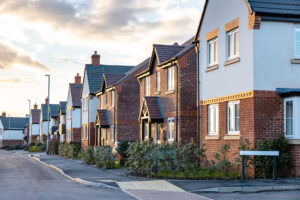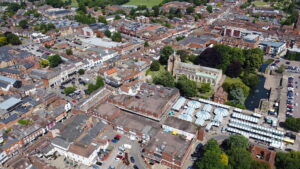
There’s something undeniably special about owning a home in the countryside. Fresh air, open views, and the space to truly unwind – it’s no wonder rural properties are in demand. According to Rightmove’s latest House Price Index, properties in villages and countryside locations have seen stronger price growth compared to many urban areas, with buyers seeking more space and a change of pace post-pandemic.
But while buying a rural property can be a dream come true, it can also come with hidden surprises. Unlike modern urban homes, country homes are often older, off-grid, and come with unique features that need closer inspection before you sign anything.
So if you’re wondering what to check when buying a rural property, this is the checklist for you. Whether you’re searching for a quiet retreat or a family home in the heart of the countryside, these checks could save you thousands – and a few headaches – down the line.
Why buying a country home is different
Country homes are often charming, full of character, and offer more land for your money. But they also come with quirks. Some aren’t connected to mains drainage. Others rely on oil heating or private water sources. Access roads may be shared or unadopted, and broadband speeds can be a world away from what you’re used to in town.
Zoopla’s latest data shows that while rural homes often offer better value per square foot, the buying process can take longer. That’s due to more complex legal checks, survey findings, and specialist systems like septic tanks or private access arrangements.
In short: it pays to be thorough.
What to check when buying a rural property
Here’s your buying a country home checklist – the 10 most important things to inspect before you make an offer.
1. Roof and chimney condition
Start by looking up. A country home’s roof can tell you a lot. Are there missing tiles or signs of sagging? Chimneys should be checked for stability and signs of crumbling mortar.
Older rural homes often have tall chimneys and original materials that may need attention. A full building survey will highlight any urgent repairs, which could cost thousands to fix later.
2. Septic tank or private drainage
Most rural homes don’t have mains sewage. Instead, they rely on a septic tank or treatment plant. Since 2020, strict rules have been in place under the Environment Agency’s General Binding Rules.
Ask:
- When was it last emptied?
- Has it ever overflowed?
- Does it comply with current regulations?
A poorly maintained system could be costly to replace – or illegal to keep.
3. Water supply source
Water can come from mains, but some properties still use private supplies like boreholes, wells or springs. If so, request a recent water quality test and details on how the supply is maintained.
Mains water homes are simpler to manage, but if the idea of a self-sufficient supply appeals, factor in the long-term upkeep and regular testing.
4. Boundaries and rights of access
Country properties often come with more land – and with that comes more potential for boundary disputes. Check title deeds carefully, and confirm:
- Who maintains fences or hedgerows?
- Are there public rights of way on the land?
- Do neighbours have access across your drive?
These legal matters can delay a sale, so your solicitor should review all access rights and covenants before you commit.
5. Heating system
Unlike town homes, rural properties often use oil-fired boilers, LPG tanks, or even solid fuel burners for heat and hot water. Ask what system is in place, when it was last serviced, and what it costs to run.
Some homes will have newer air-source heat pumps, which are eco-friendly but not always suitable for older stone properties without proper insulation.
Also, check the home’s EPC rating. Heating costs in the countryside can be much higher – especially in winter.
6. Mobile signal and broadband speed
If you work from home or rely on a fast connection, test this early. Many rural locations still struggle with slow internet or weak mobile signal.
Ask:
- What’s the average download speed?
- Which mobile networks work best?
- Has the home had fibre or 4G broadband installed?
You can check coverage using the Ofcom mobile checker and broadband availability tools. These are important questions to ask when viewing a rural property – especially if you need to stay connected.
7. Flood risk and insurance
Living near a stream or river can be idyllic – but it can also increase flood risk. Use the Environment Agency’s online flood map to check the property’s risk level.
You should also ask the seller:
- Have there been any past flood issues?
- Have they ever had trouble insuring the home?
Getting buildings insurance can be harder – or more expensive – in high-risk areas.
8. Outbuildings and land use
Country homes often come with barns, stables, workshops or paddocks. That’s a great bonus – but be sure the land and buildings are included in the sale and properly registered.
If you’re planning to convert an outbuilding into a home office or holiday let, check with the local planning authority. Some older buildings have protected status or agricultural restrictions.
9. Planning history and restrictions
Ask your solicitor or surveyor to check for:
- Tree Preservation Orders (TPOs)
- Listed building status
- Conservation area restrictions
- Previous planning applications
These could affect your ability to extend, renovate, or remove trees and hedges. If the home is listed, even small updates could require listed building consent.
10. Travel time and local connections
Rural living can mean longer commutes, so plan your routes to work, school or shops. If the home is on an unadopted road, check who maintains it and whether you’ll need a 4×4 in winter.
Also, look into:
- Local school catchments
- GP surgery distance
- Public transport links (if any)
These practicalities are often overlooked during the excitement of viewings, but they’ll affect day-to-day life.
Questions to ask when viewing a rural property
Viewings are your chance to dig deeper. Along with the usual questions about price, offers and condition, add these:
- What are the average monthly running costs?
- When were the boiler and septic tank last serviced?
- What are the neighbours like?
- Have there ever been disputes over access or boundaries?
- Is there any history of structural issues or subsidence?
Making these part of your buying a country home checklist gives you peace of mind.
Why a specialist rural survey matters
Don’t rely on a basic mortgage valuation. Rural homes are often older and built with traditional methods, so they need a full building survey from a qualified RICS surveyor.
A survey will flag issues like:
- Timber rot or woodworm
- Structural movement
- Old wiring or plumbing
- Asbestos in outbuildings
- Roof or chimney defects
These are the country property survey essentials that could affect price or mortgage approval. A good survey pays for itself by revealing costly problems before you buy.
Buying or selling in the countryside?
We’ve been helping people move in and out of rural homes for over 40 years.
Get tailored support and speak to your local Country Properties expert today.
Final checks before exchange
Before you sign on the dotted line, make a final visit. Ideally, go at different times of day – a quiet morning may turn into a busy cut-through by 5pm.
Use this time to:
- Check water pressure, heating, and drainage flow
- Walk the boundary lines
- Review any survey issues with your solicitor
- Ask the seller about local suppliers or tradespeople
Finally, budget for ongoing maintenance. Country homes need more care, and it’s wise to set aside money each year for upkeep, especially if it’s an older property.
Ready to make your move?
Buying a rural property is an exciting adventure – and a major commitment. But with the right checks in place, the charm of countryside living can be yours without the worry.
Whether you’re starting your search or preparing to sell, we’re here to guide you every step of the way.
Get your free property valuation or explore our latest rural homes now.