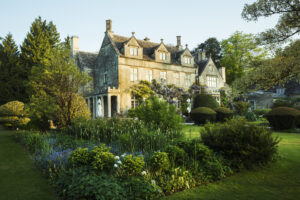
There is something undeniably special about a listed building. Whether it is a Georgian townhouse with original sash windows, a countryside cottage with centuries of history behind it, or a converted chapel filled with character, these homes offer a sense of individuality that modern properties often struggle to match. Buyers are increasingly drawn to homes with personality and heritage, especially as many newer developments can feel uniform and lacking in charm.
That appeal has remained strong despite a more cautious property market. Recent market reports from Rightmove and Zoopla continue to show steady interest in period homes, particularly in desirable village, market town, and commuter locations where buyers are prioritising lifestyle, outdoor space, and long-term value. Character properties also continue to attract investors looking for assets that stand out in a crowded rental and resale market.
Still, buying a listed building is very different from buying a standard property. Alongside the beauty and prestige comes responsibility. Owners must navigate regulations, specialist maintenance requirements, planning restrictions, and potentially higher costs than they first expected. For some buyers, that challenge is part of the appeal. For others, it can quickly become overwhelming without the right preparation.
This guide explains what buyers and investors need to know before purchasing a listed building in 2026, including the rewards, the risks, and the practical steps that can help avoid expensive surprises.
What is a listed building?
A listed building is a property that has been placed on the National Heritage List for England because of its historical or architectural importance. Similar systems operate across Scotland, Wales, and Northern Ireland. Listing is designed to protect buildings that contribute to the country’s heritage and ensure important features are preserved for future generations.
There are three main grades of listed buildings in England. Grade I buildings are considered exceptionally important and make up only a small percentage of all listed properties. Grade II* buildings are particularly important structures with more than special interest. Grade II properties are the most common and account for the majority of the listed homes buyers will encounter on the market.
One of the biggest misconceptions among buyers is that listing only applies to the exterior of a building. In reality, many internal features may also be protected. Original fireplaces, staircases, timber beams, flooring, windows, and decorative plasterwork can all fall under listing protection. In some cases, outbuildings, walls, gates, and surrounding structures may also be included.
This means homeowners cannot simply modernise or renovate freely without approval. Any work that affects the character of the property may require listed building consent from the local authority. Even changes that seem relatively small, such as replacing windows or removing internal walls, may need permission.
For buyers who appreciate craftsmanship, heritage, and architecture, this protection is part of what makes listed homes so desirable. It helps preserve the character that attracted buyers in the first place. Explore character homes currently available across the region.
Why listed buildings remain attractive in 2026
Despite stricter regulations and rising maintenance costs, listed homes continue to attract strong buyer interest in 2026. Much of this demand comes from lifestyle-driven buyers who want something unique and memorable rather than a standard modern property.
Over the past few years, housing trends have shifted noticeably. Hybrid working has encouraged more people to move away from densely populated urban areas and search for homes that offer space, charm, and long-term lifestyle appeal. Village homes, period cottages, converted barns, and Georgian townhouses continue to benefit from this shift.
Scarcity also plays a role. There is only a limited supply of listed buildings, particularly in sought-after locations. While modern developments can be replicated repeatedly, historic homes are unique assets. That exclusivity often supports long-term demand and can help protect values even during slower market conditions.
For investors, listed buildings can provide opportunities that standard properties may not. Holiday lets, boutique rentals, and premium homes aimed at affluent tenants often perform well when the property offers standout features and strong local appeal. Buyers are frequently willing to pay more for homes with original details, period architecture, and heritage charm.
There is also an emotional factor that cannot be ignored. Buyers are often drawn to the feeling of ownership that comes with preserving a piece of British history. Owning a listed home can feel deeply personal, especially for buyers who value architecture, restoration, and craftsmanship.
Of course, that emotional appeal should always be balanced with practical thinking. Character comes with responsibility, and buyers should understand both sides before committing.
The biggest risks buyers should understand
One of the most important things to understand before buying a listed building is that ownership comes with legal obligations. While these homes can be incredibly rewarding, they can also become expensive and complicated if buyers enter the process without proper research.
Renovation restrictions are often the first major surprise. Any work that affects the building’s special character may require listed building consent. This is separate from standard planning permission and applies to both internal and external alterations. Some buyers wrongly assume they can modernise freely once they own the property, only to discover their plans are heavily restricted.
Local conservation officers play a major role in approving works, and timelines can be slower than buyers expect. Renovations that might take weeks in a modern property can take months in a listed building once surveys, heritage statements, and approvals are factored in.
Maintenance costs are another common shock. Historic buildings often require specialist materials and skilled tradespeople. Lime plaster, timber repairs, stonework restoration, and traditional roofing techniques all cost significantly more than standard modern alternatives. Attempting to cut corners with inappropriate materials can create further damage and even lead to enforcement action.
Energy efficiency is becoming an increasingly important issue in 2026. While some listed buildings are exempt from certain EPC requirements, many buyers still face higher heating costs and difficulties improving insulation. Single glazing, solid walls, and ageing construction methods can make period homes more expensive to run.
Insurance can also be more complex. Rebuild costs for historic homes are often considerably higher because repairs may require specialist labour and heritage materials. Some insurers specialise in listed properties, but premiums are usually above average.
None of these risks means buyers should avoid listed buildings altogether. They simply highlight why preparation matters so much.
Hidden costs many buyers overlook
The purchase price is only part of the financial picture when buying a listed building. In reality, the ongoing costs of ownership are often where buyers feel the greatest pressure.
Many listed homes require continuous maintenance rather than occasional repairs. Unlike modern houses that may cope reasonably well with neglect for short periods, historic buildings often deteriorate quickly when issues are ignored. Small problems such as slipped roof tiles, blocked gutters, or damp patches can become major structural concerns if left unresolved.
Specialist surveys are essential before exchanging contracts. A standard mortgage valuation is nowhere near enough for a listed property purchase. Buyers should strongly consider a full building survey, along with timber, damp, drainage, or roofing inspections where appropriate. If the property is particularly old or unusual, a heritage specialist surveyor may also be worthwhile.
Buyers should also investigate whether previous owners carried out unauthorised work. This is especially important because liability can transfer to the new owner, even if alterations were completed decades earlier. Missing consent paperwork for extensions, window replacements, or internal alterations can create legal and financial headaches later.
Mortgage lending can be more restrictive, too. Some lenders are cautious about listed homes because of repair risks and resale considerations. Buyers may need larger deposits or specialist lenders depending on the building’s condition and construction type.
Insurance, maintenance, heating costs, and specialist repairs should all be factored into long-term affordability calculations. Buyers who budget only for the purchase itself may find themselves financially stretched sooner than expected.
What buyers can and cannot change
There is a persistent myth that listed building owners cannot make any changes at all. In reality, many listed homes are updated successfully every year. The key difference is that changes must respect the building’s historic character.
Modern kitchens, updated bathrooms, heating systems, and sympathetic extensions are often possible with the correct approvals. Conservation officers are not necessarily against change, but they want to ensure alterations preserve the building’s heritage significance.
The difficulty usually comes when buyers want to remove original features or install materials that clash with the property’s historic style. Replacing timber sash windows with uPVC, removing original fireplaces, or knocking through structural walls may face strong resistance.
Solar panels and energy efficiency upgrades are another growing area of debate in 2026. Many buyers want greener homes, but integrating renewable technology into historic properties can be challenging. Approval often depends on how visible the alterations are and whether they affect the character of the building.
The best approach is always to speak with the local authority early and work with experienced heritage professionals. Architects and builders familiar with listed properties can often suggest creative solutions that satisfy both conservation requirements and modern living needs.
Buyers should also remember that owning a listed building means becoming a temporary custodian of part of the country’s architectural history. That mindset can help shape renovation decisions more thoughtfully.
Thinking about selling a period or heritage property? Arrange a free valuation with your local expert.
Is buying a listed building a good investment?
For the right buyer, listed buildings can absolutely be worthwhile investments. However, success often depends on realistic expectations, careful budgeting, and choosing the right location.
One of the biggest strengths of listed homes is scarcity. Because supply is limited, standout period properties can attract strong long-term demand. Buyers searching for unique homes are often willing to pay a premium for original features, heritage charm, and desirable village or countryside settings.
Some listed homes also perform well in the holiday let and short-term rental market. Character cottages, converted barns, and historic townhouses can command higher nightly rates than standard accommodations because guests are looking for memorable experiences.
Investors should still be cautious about assuming easy profits. Maintenance costs can significantly affect yields, particularly if unexpected repairs arise. Renovation timelines are usually longer too, especially where consent is required.
Liquidity can sometimes be slower as well. Listed homes appeal to a more niche buyer audience than standard modern properties, which may affect resale times depending on market conditions.
That said, buyers who choose carefully and maintain properties properly often find that listed buildings hold their appeal remarkably well over time. In many cases, buyers are not purely motivated by financial return. Lifestyle value, pride of ownership, and the enjoyment of living in a historic property are equally important parts of the equation.
Questions buyers should ask before purchasing
Before making an offer on a listed building, buyers should take time to investigate the property thoroughly. Asking the right questions early can prevent expensive surprises later.
Start by confirming the exact listing grade and reviewing the official listing description. This can provide important clues about which features are protected and why the building was listed in the first place.
Buyers should then ask whether any previous alterations were completed with a proper listed building consent. If documentation is missing, further legal checks may be required.
It is also sensible to ask about recent maintenance and ongoing repair schedules. Older homes often need regular upkeep, so understanding the condition of roofing, drainage, heating systems, and structural elements is essential.
If the property sits within a conservation area as well as being listed, additional planning restrictions may apply. Buyers hoping to extend or significantly alter the home should discuss their plans with the local authority before proceeding.
Finally, buyers should look realistically at future affordability. Owning a listed home is not simply about whether the property can be purchased today. It is about whether maintenance, insurance, repairs, and long-term improvements can be sustained comfortably over time.
Expert tips for buying a listed building safely
The buyers who enjoy listed building ownership the most are usually those who approach the process with patience and preparation.
Working with experienced professionals is one of the best investments buyers can make. Solicitors familiar with listed buildings, heritage surveyors, and specialist mortgage brokers can identify issues that general advisers may miss.
Budgeting realistically is equally important. Historic homes almost always cost more to maintain than buyers initially expect, particularly during the first few years of ownership. Setting aside contingency funds for repairs and ongoing maintenance can reduce stress significantly.
Location should also play a central role in decision-making. Character homes in strong commuter villages, desirable market towns, and tourist-friendly areas often attract more resilient long-term demand.
Buyers should think carefully about how long they intend to stay in the property, too. Listed buildings tend to suit buyers who are looking for a long-term home or investment rather than a quick short-term project.
Above all, buyers should remember that owning a listed building is rarely about convenience. It is about preserving craftsmanship, appreciating history, and accepting the responsibilities that come with protecting a unique home.
Conclusion
Buying a listed building in the UK can be one of the most rewarding property decisions a buyer makes. These homes offer charm, individuality, and historical significance that modern properties often cannot replicate. For many owners, the emotional value of living in a distinctive period home outweighs the additional responsibilities involved.
At the same time, listed homes demand careful planning and realistic expectations. Regulations, maintenance costs, specialist repairs, and energy efficiency challenges all need to be considered before purchasing.
The buyers who benefit most from listed property ownership are usually those who take time to understand the rules, seek expert advice, and budget properly from the beginning. When approached thoughtfully, listed homes can provide not only long-term investment potential but also the satisfaction of owning and protecting a small piece of British history.
Whether you are searching for a character home, considering an investment opportunity, or preparing to market a heritage property, expert local guidance can make all the difference.
Speak to your local Country Properties team today to explore available homes or request personalised property advice.